Green Restoration of Greenwich for Water Damage and Mold Emergencies
Complete Water Damage Services: Protect Your Property From Future Issues
Extensive flood damage services play an essential role in safeguarding properties from constant risks. They encompass regular inspections and maintenance of plumbing and roofing systems. Swift detection of prospective problems can prevent significant damage. Furthermore, advanced techniques like fluid removal and mold control handle current difficulties effectively. However, the most effective strategies also include preventive measures. Recognizing these aspects can be critical for homeowners looking to protect their holdings and guarantee long-term safety. What should they focus on next?
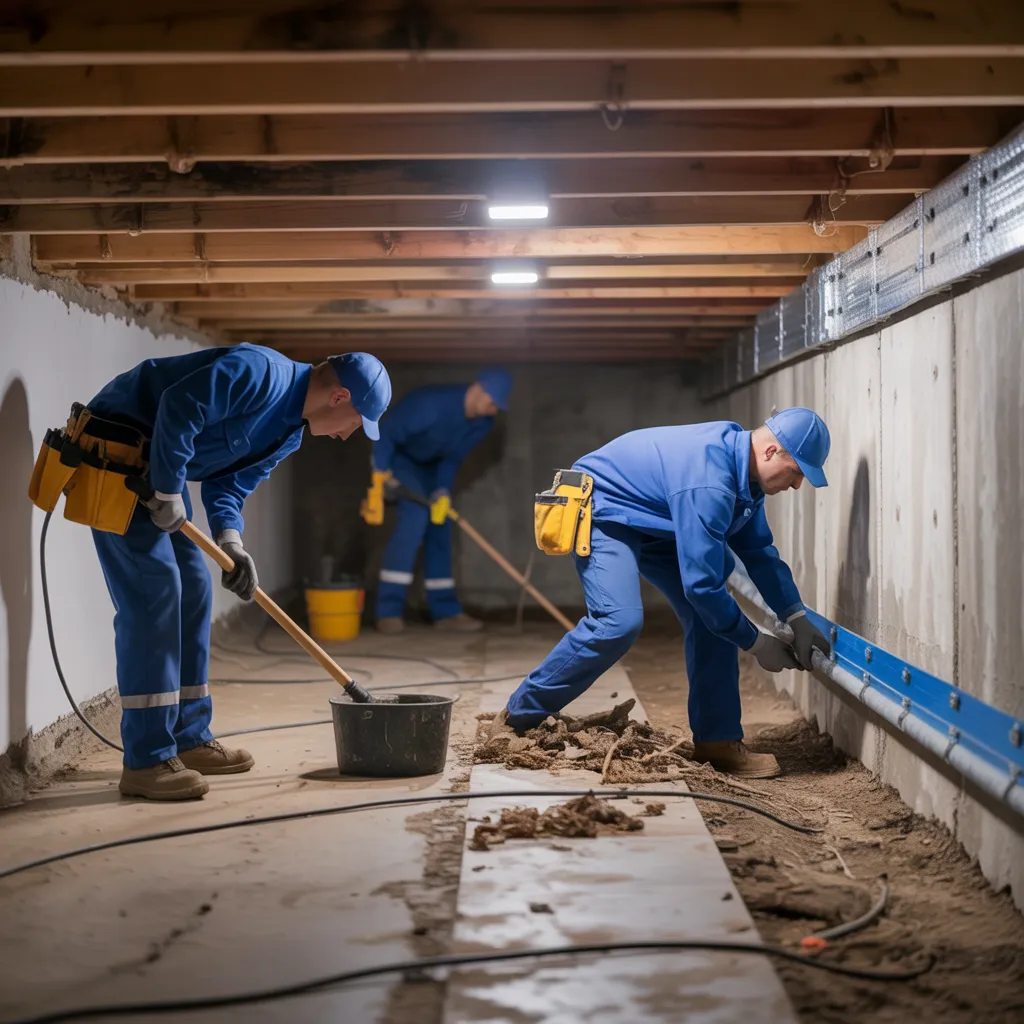
Why You Need to Take Immediate Action on Water Damage
Acting quickly to water damage is critical. Delaying response can cause major complications, such as structural damage, mold growth, and elevated restoration expenses. Water can infiltrate walls, flooring, and insulation, forming a ideal breeding ground for mold spores to grow within 24 to 48 hours. This not only jeopardizes the property but also presents dangers to inhabitants.
Furthermore, the extended the water stays, the more extensive the harm occurs, potentially undermining the structural soundness of the building. Immediate action helps mitigate these effects, maintaining both the property's value and the security of its residents.
Additionally, rapid action can facilitate the restoration timeline, enabling homeowners to return to normalcy faster. Engaging expert restoration companies immediately can ensure thorough assessments and effective remediation, avoiding additional problems in the future. Prioritizing immediate response is essential for protecting both assets and health.

What Results in Moisture Harm and How to Recognize It Quickly?
Water damage could come from various sources, making early spotting vital for protection. Common causes include plumbing leaks, roof leaks, and natural disasters such as heavy rain or floods. Aging infrastructure, such as worn-out pipes or compromised roofing materials, can also contribute greatly to water intrusion.
Property owners should stay vigilant for signs of water damage, which may include stains on walls or ceilings, a foul odor, and mold growth. Additionally, peeling paint and warped flooring are indicators that moisture may be there. Regular assessments of plumbing systems and roofing can help catch issues before they escalate.
Timely detection is essential; addressing possible causes of water damage promptly can minimize costly restoration and preserve the structural condition of the property. By comprehending the causes and identifying the signs, property owners can take proactive measures to safeguard their homes against water damage problems.
Necessary Solutions for Successful Water Damage Rehabilitation
When a building encounters water damage, quick and expert restoration assistance are necessary for proper recovery. Important services include water extraction, which involves removing standing water to prevent further damage. After this, detailed drying and dehumidification processes are important to remove moisture from structures and materials. Restoration experts assess the degree of damage and determine the repairs needed, whether that requires replacing flooring, drywall, or insulation.
Additionally, mold remediation is necessary, as mold can develop rapidly in wet conditions, causing health risks and further weakening the property. Advanced techniques, such as thermal imaging and moisture mapping, aid identify hidden water sources and stop recurrence. Finally, deodorization and sanitization services guarantee that any lingering odors and contaminants are addressed, bringing the property to a safe and livable condition. Together, these crucial services create a detailed approach to effective water damage restoration, safeguarding properties from long-term issues.
Strategies for Preventing Future Water Damage
Effective water damage restoration emphasizes the significance of proactive measures to prevent future occurrences. Property owners should frequently check their roof systems, gutters, and downspouts to confirm they are free from blockages and operating correctly. This prevents water buildup that can lead to leaks and structural damage. Furthermore, preserving plumbing systems by inspecting for water loss and verifying proper water flow can greatly reduce the likelihood of water damage.
Installing pumping devices in underground spaces and choosing water-resistant materials during refurbishments can also provide an additional measure of safety. Moreover, homeowners should consider outdoor changes, such as grading soil away from the foundation, to direct water runoff effectively. Regular servicing and timely repairs are essential for defending residences against potential water damage, thereby preserving their integrity and value. Taking these steps can help create a resilient environment that minimizes future risks associated with water intrusion.
Tips for Selecting the Appropriate Water Damage Service Provider
How can homeowners ensure they choose the most appropriate water damage service provider? First, they should investigate potential companies thoroughly, verifying certifications, licenses, and insurance. A trustworthy provider should have professional certifications, such as those from the Institute of Inspection, Cleaning and Restoration Certification (IICRC).
Subsequently, analyzing customer reviews find the information and testimonials can deliver insights into the company's trustworthiness and service standards. Property owners should also ask about the range of services offered, verifying they encompass everything from initial evaluation to complete restoration.
Additionally, securing multiple estimates can help in comparing expenses and grasping the range of services offered. Finally, evaluating the service provider's reaction speed is essential; a quick reaction can reduce harm. By taking these elements into account, homeowners can make informed decisions, ensuring their home receives the best possible care in times of crisis.
Common Questions That Users Ask
How Much Does Flood Damage Repair Typically Cost?
Restoration expenses for water damage typically fall from $1,000 to $5,000, based on the severity of harm, location, and required services. Additional factors, such as materials and labor, can impact the total cost considerably.
Will My Insurance Pay for Water Damage Repairs?
Protection coverage for water damage fixes often is determined by the policy specifics. Generally, if the damage originates from a covered peril, such as a fractured pipe, insurers may furnish financial assistance for reconstruction expenses.
How much time Does Water Damage Restoration Take?
Water damage restoration typically takes one to five days, contingent upon the severity of damage, the affected materials, and the drying process required. Interruptions can develop if extensive repairs or mold treatment are needed.
Is It Possible for Me to Deal with Water Damage Cleanup Myself?
Tackling water restoration work by yourself is workable, but it often demands expert know-how and specialized gear. Incomplete cleaning can generate mold growth and structural issues, making professional assistance a more protective and superior solution.
What Are the Health Risks Linked to Water Damage?
Water damage introduces numerous health risks, including mold growth, which can provoke respiratory issues, allergies, and infections. Contaminated water may also hold bacteria and viruses, causing gastrointestinal illnesses and other serious health complications.