Storm-Ready Storm Damage Restoration Services
Exploring Water Damage Services: How to Preserve Your Property
Water damage poses significant risks to properties, making it essential to understand the services involved. Property owners frequently neglect the common causes and early indicators of damage, which can ultimately result in significant repair costs. Immediate and informed responses are essential. Consulting professionals can deliver comprehensive evaluations and efficient remediation. Yet, numerous property owners are still uninformed about the complete range of preventive measures at their disposal. Exploring these aspects can reveal vital strategies for safeguarding your investment against unforeseen water-related issues.
Identifying Common Causes of Water Damage
Water damage can originate from a variety of sources, making it essential to recognize the typical causes that contribute to such concerns. One prevalent cause is plumbing failures, including broken pipes or faulty appliances, which can release significant amounts of water. Storm-related occurrences, such as intense rainfall or floods, are also responsible for water damage, especially in regions susceptible to severe storms. Moreover, roof leaks can appear due to wear and tear, permitting water to penetrate the property. Faulty drainage systems and obstructed gutters can compound these concerns by directing water toward the foundation. A frequently disregarded cause involves humidity and condensation, which can lead to mold growth and structural damage over time. Being aware of these frequent causes can enable property owners implement preventive steps, safeguarding their homes from the potentially devastating effects of water damage.
Recognizing Early Signs of Water Damage
Recognizing the first indicators of water damage is essential for effective mitigation. Property owners should keep watch for particular signals that water damage may be occurring. Staining on walls or ceilings, often manifesting as brown or yellow stains, can indicate plumbing or roofing issues. Furthermore, flaking paint or lifting wallpaper may point to long-term dampness. A musty odor frequently signals water damage, suggesting the presence of mold. Residents should be aware of distorted or uneven flooring, which may be caused by absorbed moisture. An additional warning sign is the presence of condensation on windows or walls, indicating excess humidity levels. Timely detection of these symptoms enables immediate response, minimizing the chances of significant damage and expensive restoration. Consistent upkeep and regular checks can also assist in identifying these indicators, encouraging a proactive approach to maintaining and protecting your property.
Critical Steps Following Water Damage
After experiencing water damage, it is essential to take immediate actions to minimize subsequent damage. First, stopping the water source is crucial to avoid further flooding. Following that, evaluating the damage and documenting everything thoroughly will facilitate the recovery process while supporting potential insurance claims.
Shut Off The Water Source
Detecting and addressing the cause of water penetration is essential in mitigating damage and preventing further complications. Immediate action must be taken to minimize the impact on the property. This often involves locating the primary source, whether it is a burst pipe, a leaky roof, or an overflowing appliance. Property owners should shut off the water at the main valve to stop the flow, thus minimizing additional water buildup. In some cases, it may be necessary to contact a professional plumber to address the issue effectively. Once the source is controlled, it allows for a more manageable recovery process. Rapidly addressing the water source is a fundamental first action in shielding the property from widespread damage.
Assess The Damage
When the water source has been stopped, evaluating the extent of damage is a necessary step. This initial assessment involves identifying the damaged sections, including floors, walls, and personal items. Water commonly infiltrates surfaces, resulting in concealed deterioration that may not be immediately visible. Trained experts routinely examine for structural stability and the existence of mold growth, which can grow quickly in damp conditions. They will often assess the degree of harm to appliances and electrical systems. It is important to identify the category of water present—black, gray, or clean—as this impacts the cleanup approach. Swift and precise assessment establishes the groundwork for successful remediation work, ultimately minimizing long-term impacts on the property and providing a healthier setting for residents.
Document Everything Thoroughly
Thoroughly documenting all damage is essential in the wake of water damage. This meticulous record-keeping serves numerous key roles, including supporting insurance filings and informing restoration work. Homeowners should start by capturing clear photos of affected areas, taking both broad perspectives and detailed shots of specific damage. Furthermore, keeping a detailed inventory of affected belongings, including descriptions and estimated values, can be tremendously helpful. It is equally important to record the exact date and time of the occurrence, together with any urgent measures implemented, such as reaching out to restoration experts. This documentation not only supports insurance processes but also helps assess the full scope of damage for later review. By keeping detailed documentation, property owners can guarantee a smoother recovery process.
How Professionals Can Help With Water Damage
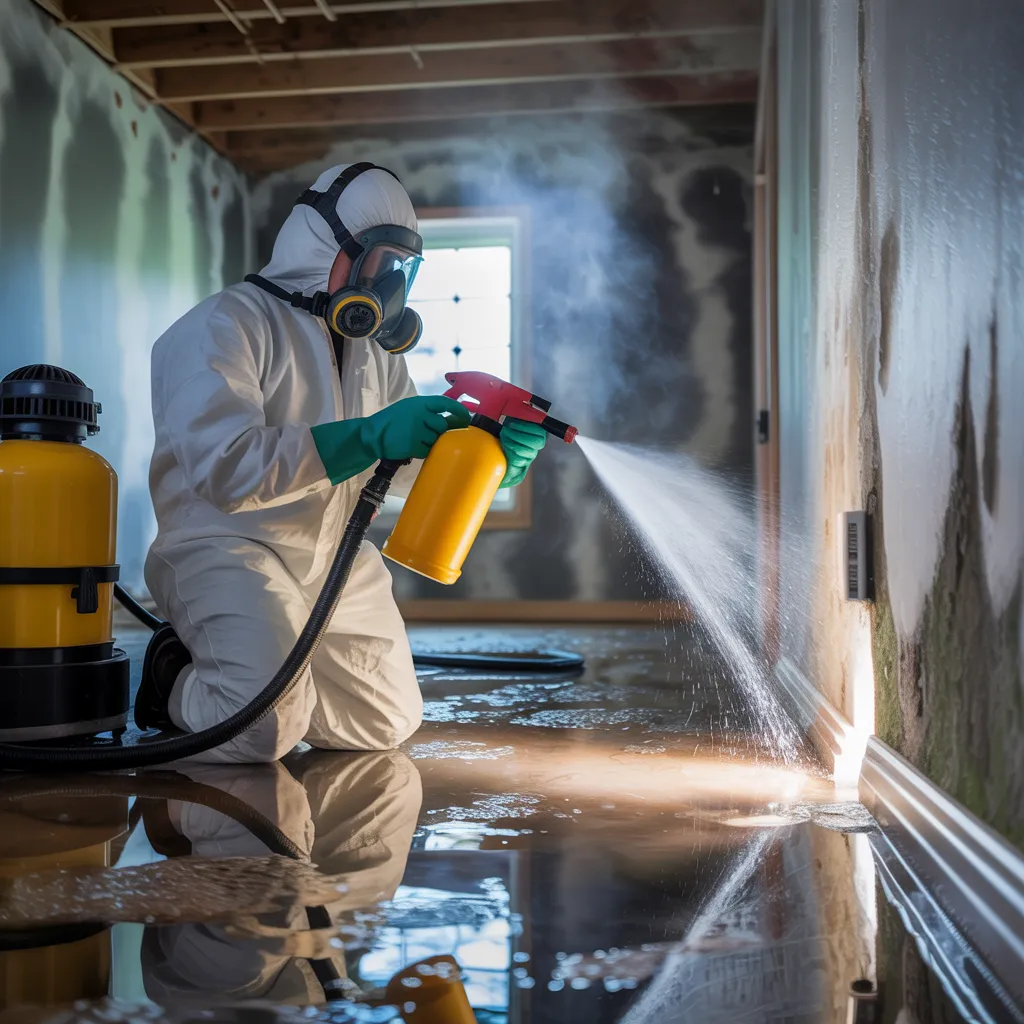
Trained technicians play a vital part in minimizing the impact of water damage, employing specialized techniques to efficiently rehabilitate impacted spaces. The process starts with assessing the extent of the damage, using sophisticated equipment to detect concealed dampness and underlying risks. Such a comprehensive inspection facilitates a personalized solution to every distinct scenario.
After the assessment has been finished, experts apply precise moisture extraction procedures to extract surplus water from floors, walls, and various affected areas. They also use commercial-grade air movers and dehumidifiers to encourage swift moisture evaporation, avoiding mold development and structural damage.
Additionally, trained technicians can identify and address underlying water entry points, presenting advice on restoration and prevention strategies. Their expertise in property materials and restoration procedures assures that clients achieve the most favorable results. By working with qualified specialists, homeowners can gain time, lower stress levels, and secure their properties effectively.
Critical Steps in Water Damage Restoration
Water damage restoration involves a sequence of systematic procedures aimed at bringing damaged areas back to their prior condition. Initially, professionals assess the extent of the damage and identify the source of moisture. Subsequently, the damaged zone is properly sealed to avoid compounding issues, particularly mold proliferation. This is followed by the water extraction stage, where professional-grade equipment swiftly clears pooled water from the area.
After extraction, the drying phase commences, utilizing heavy-duty fans and dehumidifiers to guarantee complete moisture removal. Once the area is thoroughly dried, professionals proceed with cleansing and disinfecting surfaces to eliminate potential contaminants. Repairing and restoring damaged materials, such as drywall or flooring, is the final phase, assuring structural soundness and visual appeal. Throughout the process, records are kept for insurance claims, providing an extensive record of the restoration work. This structured approach is critical for efficient water damage restoration and safeguarding the property from future issues.
Effective Strategies for Water Damage Prevention
Preventing water damage is vital for both homeowners and property managers, as even minimal moisture intrusion can lead to significant issues over time. One effective strategy is regular examination of gutters, downspouts, and roofs to confirm they are clear of debris and functioning properly. This keeps water from collecting and infiltrating the building. Additionally, sealing cracks in the دراسة foundation and walls can block unwanted moisture entry.
Placing sump pumps in basements and verifying correct drainage across the property can help reduce potential risks. Homeowners are encouraged to track indoor humidity levels, utilizing dehumidifiers when necessary to maintain ideal conditions. Regular maintenance of plumbing systems, including checking for leaks, is critical for early detection. Finally, educating residents about water safety and response can empower them to act swiftly in emergencies, minimizing the overall potential for damage. Together, these preventive steps play a significant role in long-term water damage mitigation.
Understanding Insurance for Water Damage Claims
When working through the challenges of water damage insurance claims, homeowners commonly come across a range of insurance policies and coverage plans. A standard home insurance policy may cover specific categories of water damage, such as damage resulting from sudden leaks or burst pipes. That said, losses caused by flooding commonly calls for a standalone flood insurance policy, which is vital for residences situated in flood-prone regions.
Homeowners should closely review their insurance documents to identify limitations and exclusions. As an example, incremental damage, such as prolonged leaks, is typically excluded from coverage. Additionally, numerous insurance companies require prompt reporting of claims; late reporting can cause reduced compensation or denial.
To navigate the claims process successfully, homeowners are encouraged to document the damage thoroughly, including visual and written records. Engaging with an experienced adjuster can also be beneficial in achieving a fair resolution. In the end, understanding these aspects can greatly impact the restoration process following water damage incidents.
Questions We Often Receive
How Much Time Does Water Damage Restoration Usually Require?
The water damage restoration process typically spans anywhere from a few days to several weeks, influenced by the severity of the damage, the impacted areas, and how efficiently the restoration team handles the process.
Is It Possible to Handle Water Damage Repairs on My Own?
Managing water damage repairs by yourself is an option, but often comes with significant risks. Trained professionals utilize advanced equipment and skills to achieve comprehensive restoration, preventing potential complications down the line. Assessing your own abilities against the benefits of professional help is critical for managing damage effectively.
What Kinds of Insurance Policies Cover Water Damage?
Homeowners insurance typically covers water damage from sudden incidents, while flood insurance is designed to address damage resulting from flooding waters. Policy specifics vary, so homeowners should examine their policy details to secure proper coverage against the risk of water damage.
Are All Water Damage Services the Same?
Not all water damage services are the same. They vary in expertise, techniques, and equipment used. Certain providers specialize in specific damage types, while others deliver complete remediation options, affecting overall effectiveness and customer satisfaction.
How Can I Find a Reliable Water Damage Service?
To locate a dependable water damage company, one should research local companies, examine customer testimonials, check certifications, and request references from past clients. Analyzing pricing options and considering response efficiency can also help guide a thoughtful selection.